

Management Platform Guide for Swim Clubs in 2026
Learn how a management platform can streamline your swim club operations, from member billing to check-ins. Real-world advice for club administrators.

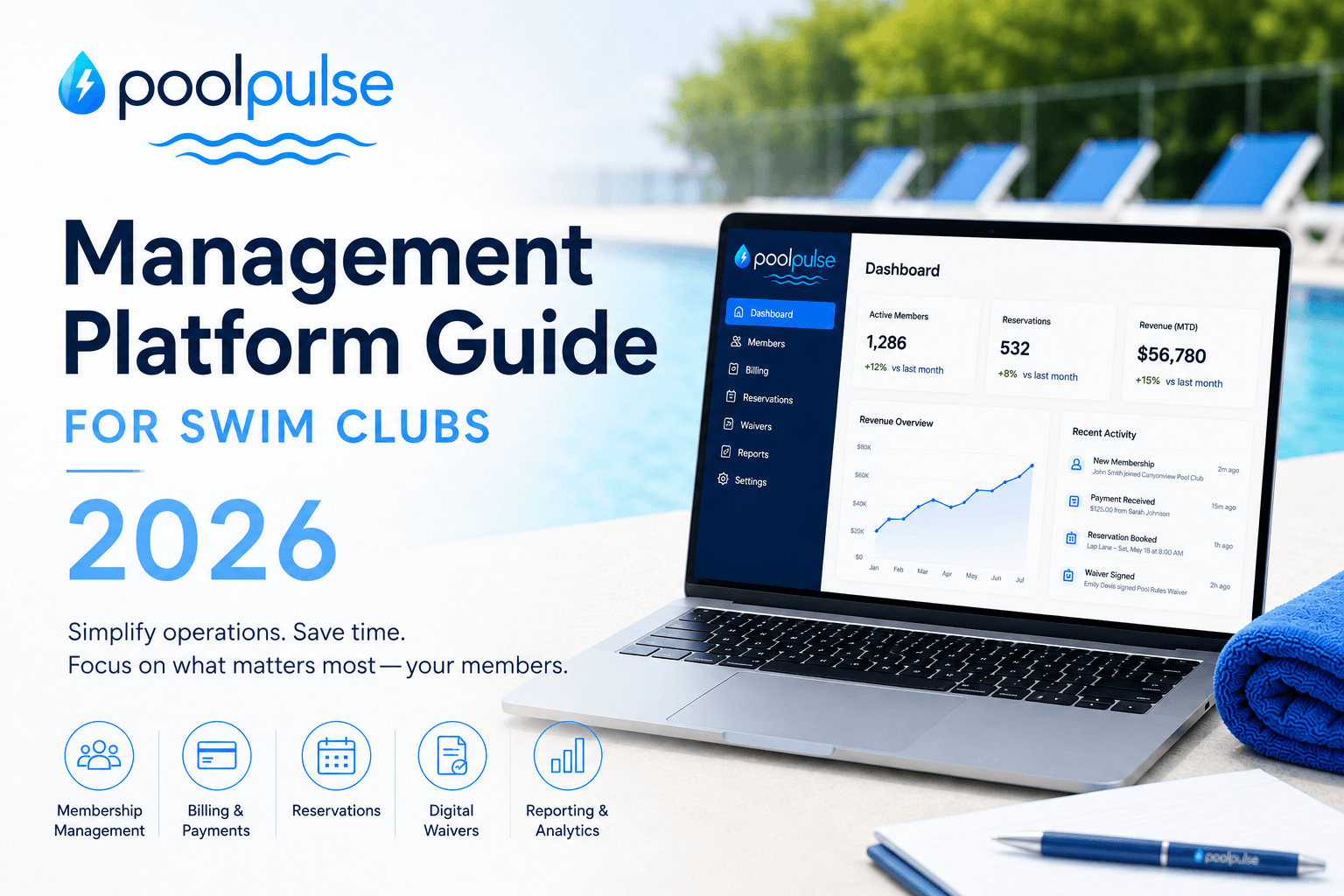
Running a swim club means juggling dozens of tasks every single day. You're tracking memberships, processing renewals, handling billing questions, managing check-ins at the gate, and somehow trying to keep your board happy with accurate financial reports. When all these pieces live in different places (spreadsheets, email, paper forms, separate billing systems), something always falls through the cracks. That's where a management platform comes in. It's not just another piece of software. It's a way to bring everything together so you can actually see what's happening in your club and spend less time hunting for information.
What Makes a Management Platform Different
You might be wondering how a management platform differs from the collection of tools you're already using. Think about it this way: right now, you probably have member information in one place, billing details in another, and attendance records somewhere else entirely.
A management platform puts all that information in one spot. When a member calls asking about their last payment, you don't need to open three different programs or dig through email. Everything connects together.
The Real Problem With Scattered Systems
Here's what happens when your club information lives everywhere. Someone updates a member's email address in your billing system but forgets to update it in your email list. Now they're missing important announcements. Or a family pays their dues, but the gate attendant doesn't know because the payment hasn't been manually entered into the access list. The family shows up, can't get in, and you've got an angry phone call.
These aren't rare problems. They happen every season at clubs still relying on disconnected tools.
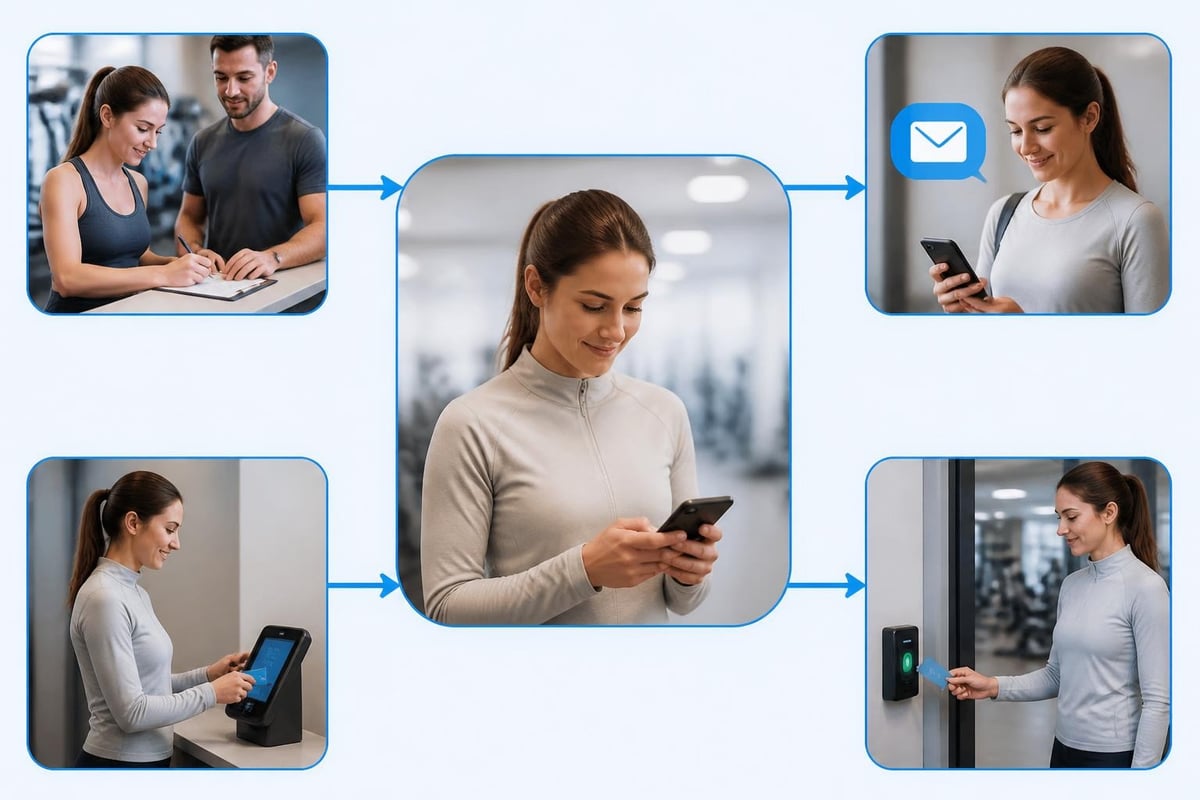
What Gets Connected
A good management platform brings together:
-
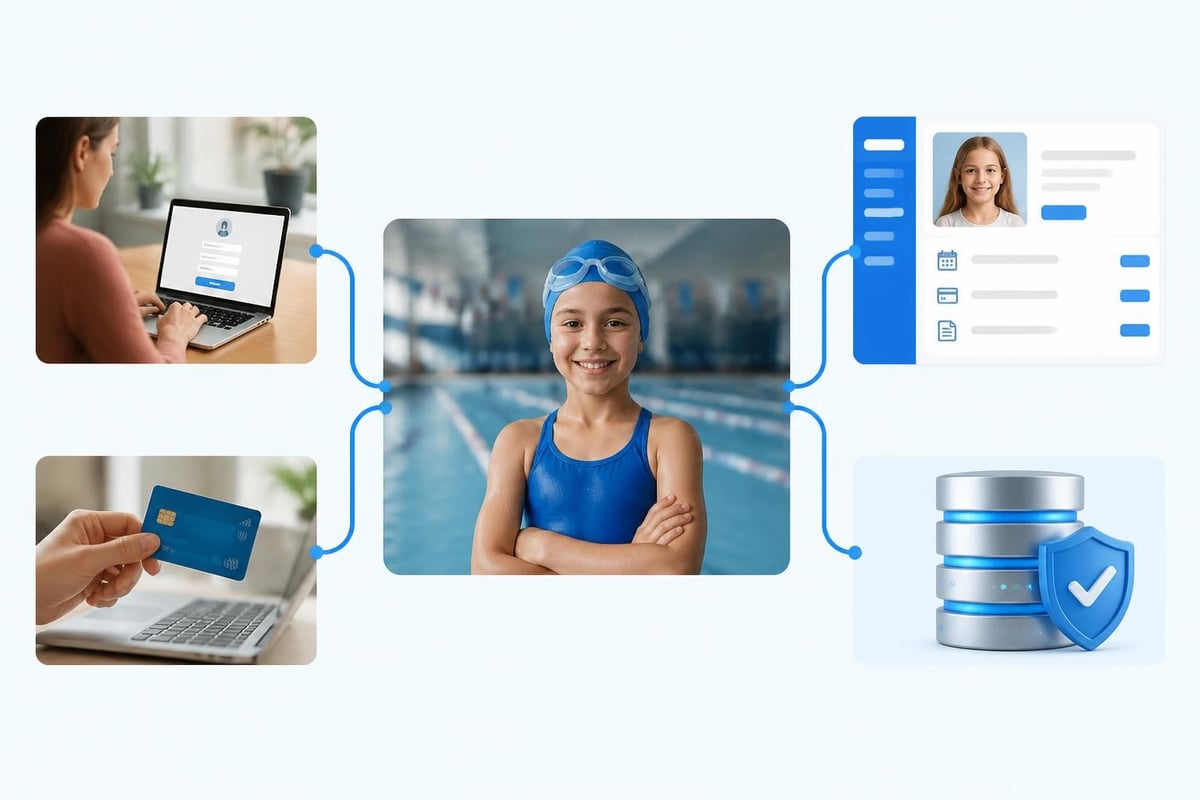
Member profiles with contact info, family details, and membership status
-
Billing and payments including automatic renewals and payment plans
-
Communications so emails actually reach the right people
-
Facility access for gates, doors, and check-in systems
-
Financial reports that your treasurer can actually understand
-
Registration forms that members fill out themselves
When these pieces talk to each other, your workload drops significantly. A member registers online, payment processes automatically, their access card activates, and they get a welcome email. You didn't touch any of it.
How This Changes Your Day-to-Day Work
Let's talk about what changes when you move to a unified management platform. Your mornings probably start with checking email, answering questions about account balances, and updating spreadsheets. Sound familiar?
With everything in one system, members can log in and see their own account status. They can update their payment method, check their billing history, and even register for events without emailing you. That alone cuts your inbox in half.
The Gate Situation
Here's a scenario every club administrator knows too well. It's opening day, the line at the gate is backed up, and half the families can't get their access cards to work. You're getting texts, the gate attendant is frustrated, and you're trying to figure out who actually paid while standing in the parking lot with your laptop.
A management platform syncs everything automatically. Payment clears, access activates. No manual updates, no gate drama. Effective SaaS management practices emphasize this kind of automation to reduce manual work and prevent errors.
Renewal Season Made Bearable
Renewal time typically means weeks of sending reminders, tracking who paid, following up with late payments, and manually updating records. It's exhausting.
Automated renewal notices go out on schedule. Members can renew and pay online. The system tracks everything and sends you a simple list of who still needs to renew. You spend your time on the few people who need personal attention, not processing hundreds of routine renewals.
|
Task |
Old Way |
With Management Platform |
|---|---|---|
|
Send renewal notices |
Mail merge, print, stuff envelopes |
Automated emails on schedule |
|
Track payments |
Update spreadsheet manually |
Real-time automatic updates |
|
Update member status |
Change in three different places |
Changes everywhere at once |
|
Generate reports |
Export, combine, format in Excel |
Click one button |
Choosing What Actually Matters
Not all management platforms work the same way. Some are built for big organizations with IT departments. Others assume you've got time to learn complicated software. You need something that matches how swim clubs actually operate.
Features That Save You Time
Look for these specific capabilities that make a difference in daily club operations:
-
Self-service member portal where people handle their own account updates
-
Automatic billing that processes payments and sends receipts without you
-
Integrated communications so you're not maintaining separate email lists
-
Mobile access because you're definitely not always at your desk
-
Simple reporting that doesn't require a finance degree
You'll notice I didn't mention "robust enterprise-grade infrastructure" or "comprehensive digital transformation capabilities." That's marketing talk. You need tools that work when you're standing at the pool trying to solve a problem on your phone.
The Customization Question
Every swim club runs a little differently. Maybe you have different membership tiers. Maybe you charge for guest passes. Maybe you need to track which families volunteer.
A flexible management platform lets you set things up your way. Platform engineering best practices highlight the importance of adaptability, and that applies just as much to club software as it does to enterprise systems. The difference is you shouldn't need a developer to make changes.

Making the Switch Without the Headache
The thought of moving all your member data and switching systems probably makes you want to stick with what you have, even if it's frustrating. That's completely understandable. Change is risky, especially when you're responsible for hundreds of member accounts.
What Actually Happens During Migration
Here's the real process when done right. Your existing member data gets imported (not retyped by hand). The new system gets set up to match how your club works. You test everything with a small group before going live. Members get clear instructions about the change.
Good providers include migration support. Bad ones hand you a CSV template and wish you luck. When evaluating options, ask directly: "What happens on day one when a member calls with a question about their account?"
The Learning Curve Reality
Yes, you'll need to learn new software. But think about how much time you currently spend working around your current system's limitations. Fighting with Excel formulas. Manually updating multiple lists. Explaining to members why they can't just pay online like everywhere else.
A well-designed management platform is actually easier to use than your current setup because it's built specifically for this work. You're not adapting general-purpose tools. Everything's in the right place for club administration.
What Your Members Actually Notice
Members don't care about your backend systems. They care about whether things work smoothly. Can they easily pay their dues? Do they get timely information? Can they get in the gate without drama?
The Member Experience
When you implement a good management platform, here's what members notice:
-
They can check their account balance anytime without calling you
-
Renewal notices show up on time with a simple payment link
-
Their access card works the first time, every time
-
They get relevant updates without being bombarded with information
-
Questions get answered faster because you have information at your fingertips
They might not say "wow, great software platform." They'll say "this club is so much easier to deal with than it used to be."
Reducing the Phone Calls
Ever notice how the same questions come up over and over? "What's my balance?" "When does my membership expire?" "Did you get my payment?"
A member portal answers these questions automatically. Members log in, see their information, and move on with their day. You get fewer interruptions and can focus on things that actually need your attention.
Financial Tracking That Makes Sense
Your board needs accurate financial reports. Your treasurer needs to reconcile accounts. You need to know whether your club is on track financially. Right now, that probably involves exporting data from multiple sources and combining it manually.
Real-Time Revenue Visibility
A management platform shows you current financial status whenever you need it. How much came in this month? How many members haven't renewed? What's the projected revenue for the season?
These aren't complicated questions, but they're hard to answer when payment information lives separately from membership data. When everything connects, the numbers update automatically. The best swim club management software offers this kind of real time financial visibility without requiring manual data entry.
Audit Trail and Accountability
When someone questions a charge or claims they paid when records show otherwise, you need clear documentation. A good system keeps a complete history of every transaction, every status change, every communication.
This isn't about not trusting people. It's about having answers when questions come up. And questions always come up.
|
Financial Need |
Manual Process Time |
Platform Automation Time |
|---|---|---|
|
Monthly revenue report |
2-3 hours |
5 minutes |
|
Outstanding balances list |
1-2 hours |
Instant |
|
Reconcile payments |
3-4 hours |
Automatic |
|
Renewal tracking |
Ongoing manual checks |
Real-time dashboard |
Handling the Unexpected
Software breaks sometimes. Systems go down. Questions come up that nobody anticipated. When that happens with your management platform, what do you do?
Support That Understands Your Situation
Generic software support doesn't help much when you're dealing with a swim club crisis at 6 PM on a Saturday. You need people who understand how swim clubs work and can help you solve problems quickly.
Before committing to any management platform, ask about support. When are they available? How do you reach them? What happens if something breaks during peak registration?
Backup and Recovery
Your member data is valuable and irreplaceable. What happens if something goes wrong? Cloud-based platforms handle backups automatically. Your data stays safe even if your computer dies.
This might sound like basic stuff, but plenty of clubs are still running critical operations on a single laptop with no backup. One coffee spill away from disaster.
Integration With What You Already Use
You're probably not replacing everything at once. Maybe you love your accounting software. Maybe your website is working fine. A good management platform works with your existing tools rather than forcing you to replace everything.
The Website Connection
Members expect to handle transactions on your website. They want to register online, pay dues online, and book facilities online. Your management platform should connect with your site seamlessly.
Website integration capabilities determine whether members can actually use the self-service features you're paying for. If integration is difficult, you'll end up manually transferring information, which defeats the whole purpose.
Email and Communication Tools
You've probably built up email lists over the years. Maybe you use MailChimp or Constant Contact. Your management platform should sync member data with your communication tools so lists stay current automatically.
When a member's email changes in the system, it updates everywhere. When someone joins, they get added to relevant lists. When they leave, they come off. No more managing lists in multiple places.
AI and Modern Features That Actually Help
AI sounds fancy, but what does it actually do for swim club management? Good question. Most AI features in business software are just marketing buzz. But some capabilities genuinely save time.
Smart Insights and Patterns
AI can spot patterns you might miss. Like noticing that a certain membership type has a high cancellation rate, or that late payment notices sent on Tuesday get better response than ones sent on Friday. These insights help you make better decisions.
The key word is "help." You're still making the decisions. The system just points out things worth paying attention to. AI-powered insights work best when they surface actionable information rather than just generating reports.
Automated Routine Tasks
Smart automation handles predictable work. Sending payment reminders. Updating member status when memberships expire. Flagging accounts that need attention. This isn't revolutionary AI. It's just removing tedious manual work from your plate.
Getting Your Board On Board
You're convinced a better management platform would make your life easier. Great. Now you need to convince the board to approve the expense.
Making Your Case
Board members care about a few key things: keeping members happy, maintaining financial stability, and avoiding problems. Frame your proposal around those concerns.
Show them specific problems the current system causes. Calculate time wasted on manual tasks. Point out member complaints that better tools would prevent. The resources to make your case for new software should focus on outcomes, not features.
The Budget Conversation
Yes, good software costs money. But what's the cost of your current approach? Add up:
-
Time spent on tasks that could be automated
-
Member frustration leading to cancellations
-
Late payments you never followed up on because tracking is too hard
-
Board member hours spent fixing preventable problems
When you factor in everything your current system costs in time and lost revenue, proper software often pays for itself quickly.
Security and Privacy Considerations
You're handling sensitive member information. Addresses, payment details, family data. That's a big responsibility, and you should take security seriously.
What to Look For
Cloud platforms from reputable providers handle security much better than most clubs can manage on their own. They use encryption, regular backups, secure data centers, and professional security monitoring.
That said, ask questions. Where is data stored? Who has access? What happens if there's a breach? How do they handle privacy regulations? These aren't technical questions. They're basic responsibility questions.
Member Privacy Rights
Members expect their information to stay private. Your management platform should make it easy to handle privacy requests, update information, and remove data when needed. Data privacy practices matter more in 2026 than ever before, and your platform should help you stay compliant.
Measuring Success After Implementation
You've made the switch to a new management platform. How do you know if it's actually working? Look at specific, measurable changes.
Metrics That Matter
Track these before and after implementation:
-
Time spent on routine admin tasks (billing, member updates, reports)
-
Member service response time (how quickly you answer questions)
-
Payment collection rate (percentage of dues collected on time)
-
Member satisfaction (directly ask if things are easier now)
-
Error frequency (duplicate charges, access problems, data mistakes)
You don't need fancy analytics. Simple tracking shows whether the platform is delivering value.
Continuous Improvement
Even the best management platform needs adjustment as your club evolves. Maybe you add new membership types. Maybe you start offering more programs. Your platform should grow with you.
Regular check-ins (quarterly is good) help you spot opportunities to use features better or adjust processes. Continuous improvement practices apply to swim clubs just as much as tech companies. You're always learning better ways to serve members.
Common Mistakes to Avoid
Let's talk about what goes wrong when clubs choose or implement management platforms. Learning from others' mistakes is cheaper than making them yourself.
Choosing Based on Price Alone
The cheapest option usually costs more in the long run. Either it doesn't do what you need, or support is terrible, or it breaks at the worst possible time. Focus on value, not just price.
That doesn't mean overpaying for features you'll never use. But don't sacrifice essential capabilities to save a few dollars per month.
Skipping Training
You can't hand people new software and expect them to figure it out. Set aside time for proper training. Make sure everyone who uses the system understands how it works.
This includes your gate attendants, board members, anyone who answers member questions. They don't need to be experts, but they need enough knowledge to help members effectively.
Not Cleaning Up Data First
Moving messy data into a new system just gives you organized mess. Before migrating, clean up your member records. Remove duplicates. Fix obvious errors. Update outdated information.
Yes, this takes time upfront. But it prevents problems that would take much more time to fix later.
Ignoring Member Feedback
After rolling out your new management platform, actually listen to what members say. They'll tell you what's confusing, what's not working, and what they wish the system could do.
Some feedback will be legitimate issues you can fix. Some will be people resistant to change. Learning to tell the difference helps you focus improvement efforts where they matter most.
Multi-Facility Management
Some organizations run more than one pool or facility. Maybe you manage several HOA pools. Maybe your club has multiple locations. Managing everything through one platform makes way more sense than separate systems for each location.
Centralized Oversight with Local Flexibility
You need to see the big picture across all facilities while allowing each location to handle day-to-day operations. The right management platform balances both needs.
Financial reporting consolidates across locations. Member management stays consistent. But each facility manager has the access and tools they need without navigating through irrelevant information. Multi-community amenity management becomes practical when your platform is designed for it.
Consistency Across Locations
When members belong to multiple facilities or transfer between locations, consistent systems make everything smoother. Their information carries over. Their payment status is clear. Access permissions work correctly.
Inconsistent systems create confusion and extra work. Unified platforms prevent that.
Planning for Peak Seasons
Swim clubs aren't busy year-round. Your management platform needs to handle dramatic swings in activity without breaking.
Registration Rush
Opening registration for a new season means hundreds of members trying to sign up at once. Can your platform handle that load? Nothing looks worse than a registration system that crashes when everyone tries to use it.
Cloud-based platforms scale automatically. More traffic, more resources. When things calm down, you're not paying for capacity you don't need.
End-of-Season Wrap-Up
Closing out a season means finalizing billing, running final reports, and preparing for the next cycle. Your management platform should make this straightforward rather than requiring weeks of manual work.
Good systems help you archive old data, prepare renewal campaigns, and start the next season fresh without losing historical information.
Working With Different User Roles
Not everyone needs access to everything. Your board treasurer needs financial data. Gate attendants need to verify member status. You need full access to manage everything.
Permission Levels That Make Sense
Role-based access means people see what they need and nothing more. This protects sensitive information and prevents accidental changes to things that shouldn't be touched.
Setting this up correctly matters. Too restrictive, and people can't do their jobs. Too open, and you've got security and privacy issues.
Volunteer Management
Many clubs rely on volunteers for various tasks. Your management platform should make it easy to give volunteers limited access without creating security risks.
Maybe pool monitors need to record daily attendance. Maybe event coordinators need to manage registrations. They can do their jobs without accessing financial data or personal member information they don't need.
Mobile Access for On-the-Go Management
You're not always sitting at a desk when club issues come up. Mobile access isn't optional anymore. It's essential.
What Works on Mobile
Check member status while standing at the gate. Process a payment while at the pool. Send a quick announcement from your phone. These capabilities transform how you manage daily operations.
The mobile experience should be genuinely usable, not just a tiny version of the desktop site that's impossible to navigate. Test this before committing to any platform.
Offline Capability
Sometimes you're in a location with spotty internet. Can your management platform handle basic tasks offline and sync later? This matters more than you might think, especially during events or at facilities with weak connectivity.
Long-Term Platform Stability
You're not just choosing software for this season. You're selecting a platform you'll use for years. How do you know it'll still be around and supported in 2030?
Vendor Stability Indicators
Look at how long the company has been in business. Do they have actual customers you can talk to? Are they actively developing and improving the product? Do they respond when you have questions?
Platform strategy transitions pose significant challenges, as research on software platform adoption demonstrates. Choose vendors who understand the swim club industry specifically rather than generic software companies trying to serve every possible market.
Avoiding Lock-In
What happens if you need to switch platforms later? Can you export your data? In what format? Make sure you're not trapped in a system that makes leaving nearly impossible.
Good vendors aren't afraid of this question. They know if they provide value, you'll stay because you want to, not because you're stuck.
The Path Forward
Moving to a modern management platform isn't just about new software. It's about changing how your swim club operates. Less time on repetitive tasks. More time focusing on what actually matters: creating a great experience for members.
Start by documenting your current pain points. What takes too much time? What causes the most problems? What do members complain about? Those issues guide what you need in a new platform.
Then talk to other club administrators. What are they using? What works well? What would they change? Real-world experience beats vendor marketing materials every time.
The right management platform transforms swim club operations from constant firefighting into smooth, predictable processes. When members can help themselves, billing happens automatically, and you have clear visibility into what's happening, everything gets easier. PoolPulse brings all these capabilities together in a platform built specifically for swim clubs and member-driven facilities. We understand your challenges because we focus exclusively on solving them. Whether you're running a small neighborhood pool or managing multiple facilities, having the right tools makes all the difference in delivering excellent member experiences while keeping your workload manageable.
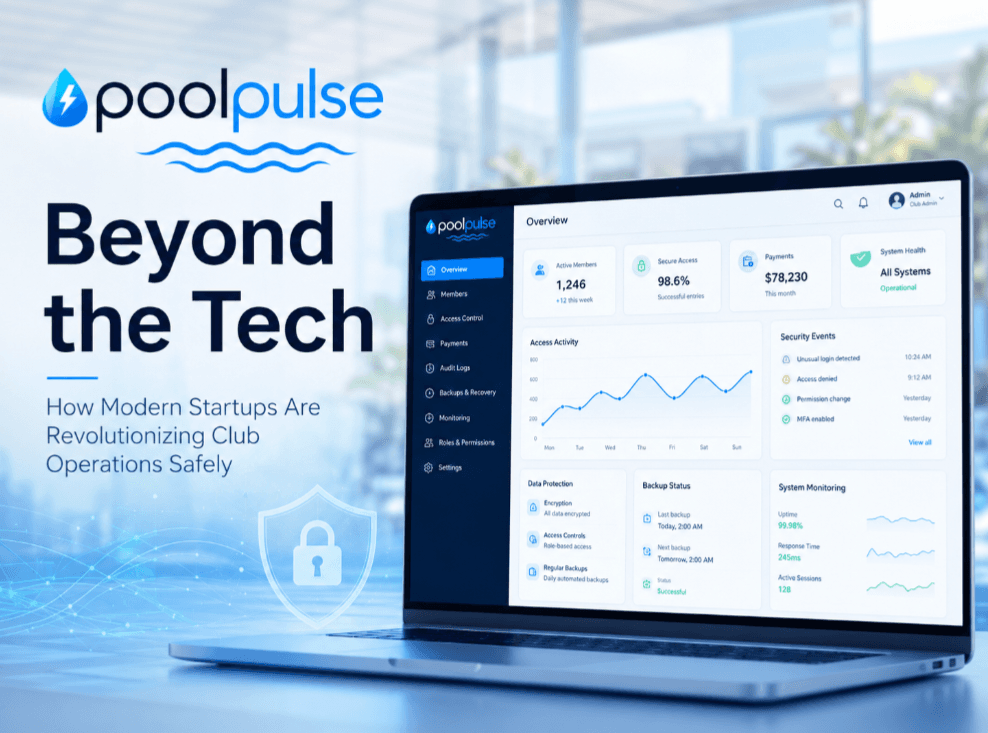
Beyond the Tech: How Modern Startups Are Revolutionizing Club Operations Safely
Modern club startups are reshaping operations with safer workflows, clearer access controls, stronger payment visibility, audit trails and security-forward design.

Before the Pool Closes: The 60-Minute Season Debrief Every Swim Club Should Run
Before the details of the season fade, use this focused 60-minute swim club debrief to capture operational problems, protect what worked and turn real evidence into priorities for next year.
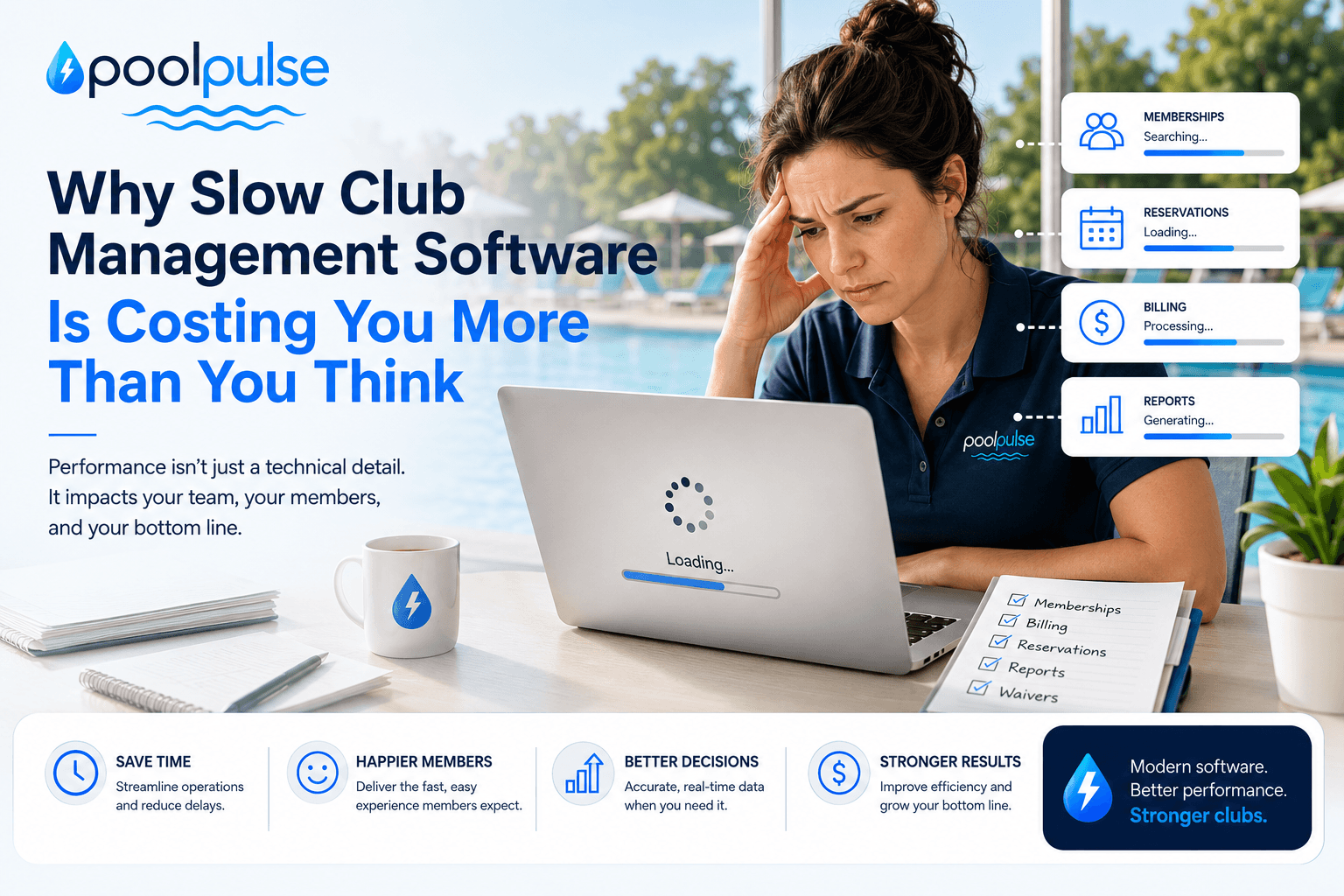
Why Slow Club Management Software Is Costing Your Club More Than You Think
Slow club management software impacts more than convenience. It affects staff productivity, member satisfaction, support workloads, and revenue. Learn the hidden costs of slow systems and what modern club software should deliver.
Want to see if PoolPulse is a good fit for your club?
Book a walkthrough and we'll show you exactly how PoolPulse can help based on your club's needs, goals, and current processes.