

Your Pulse: Peak Season Protection™
Peak season puts every part of club operations under pressure. Your Pulse: Peak Season Protection is PoolPulse’s approach to keeping seasonal clubs stable, familiar, fast and ready when it matters most.

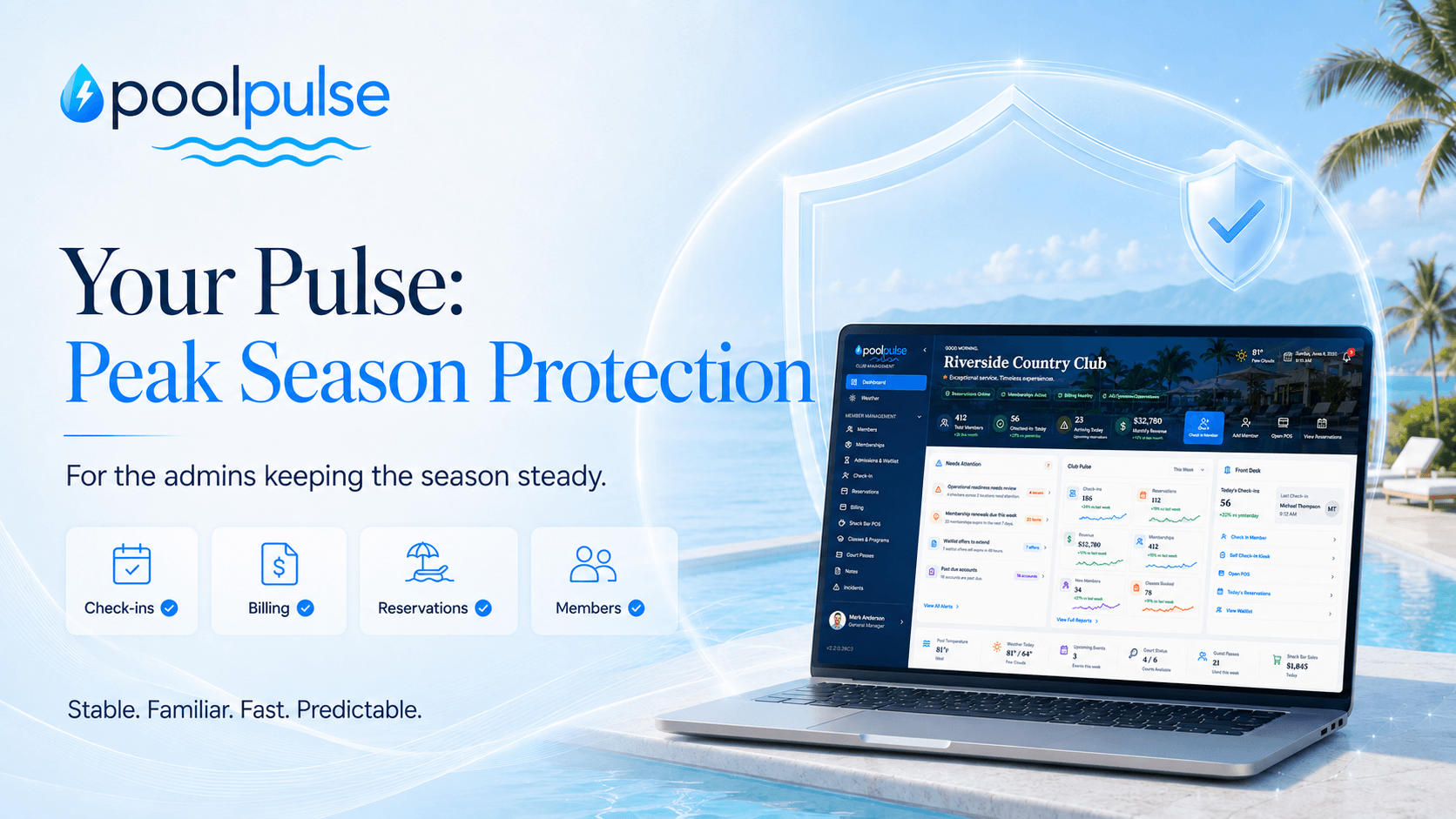
Seasonal clubs do not get twelve months to find their rhythm.
For many swim clubs, HOA pools and community facilities, the operating year compresses into a short, intense window. Opening weekend sets the tone. Holiday weekends test the system. Swim season, guest traffic, staffing changes, billing questions and board expectations all collide while members expect everything to feel simple.
That is why the best club operations platform cannot only be powerful. It has to be season-aware.
At PoolPulse™, we believe the busiest weeks of the year should feel stable, familiar, fast and predictable. New capabilities matter. Better tools matter. Innovation matters. But during peak season, technology should support the rhythm of the club instead of asking the club to adjust to the rhythm of the technology.
That belief is what we call Your Pulse: Peak Season Protection™.
What Peak Season Protection means
Peak Season Protection is PoolPulse’s season-aware approach to product reliability, release timing and operational support.
It means we look at product decisions through the lens of the club calendar. A seasonal club does not experience technology changes in a vacuum. A new workflow, a redesigned screen or a changed process can feel very different in February than it does in July.
In the offseason, administrators may have time to plan, train, test and adjust. During peak season, managers are often solving problems in real time. Staff are learning by repetition. Board members need answers. Members are arriving at the gate. The difference between a smooth workflow and a confusing one can show up immediately in the line at check-in, the tone of a member email or the confidence of a seasonal employee.
Peak Season Protection is not about slowing down progress. It is about matching improvement to the moments when clubs can absorb it best.
Seasonal clubs feel change differently
In seasonal operations, small changes can carry real weight.
A button that moves from one screen to another is not just a design update. It can slow down a new staff member during check-in. A renamed report is not just a cleaner label. It can make it harder for a treasurer or board member to find what they need. A new waiver flow is not just a better process on paper. It can affect how quickly families get through the gate on a Saturday afternoon.
Most clubs are not staffed like large year-round businesses with full-time technical administrators. Many rely on seasonal employees, part-time managers, volunteers and board members who already carry a wide range of responsibilities. Training time is limited. Institutional knowledge changes hands. Procedures are often learned through repetition.
That makes familiarity valuable.
During peak season, the best platform does not demand attention. It supports the work already happening. It helps staff move faster, gives administrators confidence and lets members complete tasks without needing extra explanation.
The four words behind Peak Season Protection
PoolPulse looks at peak-season readiness through four simple words: stable, familiar, fast and predictable.
| Peak-season expectation | What it means for clubs | What it means for PoolPulse |
|---|---|---|
| Stable | Core workflows should work consistently when volume is highest. | Reliability, quality checks and production readiness matter most when clubs are busiest. |
| Familiar | Staff should not have to relearn essential workflows in the middle of the season. | Major experience changes should be timed carefully and introduced with context. |
| Fast | Check-ins, billing lookups, reservations and member tasks should not create unnecessary delays. | Performance work is not background polish. It is operational protection. |
| Predictable | Admins should know what is changing, when it is changing and whether staff need to prepare. | Communication should be practical, plain and tied to real club workflows. |
Those words sound simple, but they create discipline. They move the conversation from Can we ship this? to Will this help clubs right now?
Release timing is part of the member experience
Customer experience is often described in terms of features, design and support. For seasonal clubs, timing belongs in that conversation too.
A useful feature can still create friction if it arrives at the wrong moment. A better workflow can still generate questions if staff have not had time to learn it. A cleaner interface can still slow down operations if it changes during the weeks when everyone is relying on muscle memory.
For clubs, the issue is not whether the platform should improve. It absolutely should. The issue is whether improvement is introduced in a way that protects the people using it.
Some changes belong before the season. Some belong after the season. Some can be introduced gradually. Some should be tested with selected clubs first. Some urgent fixes should happen immediately because they protect the operation.
Peak Season Protection is the discipline of knowing the difference.
How PoolPulse approaches peak-season readiness
Start with the club calendar
Season-aware planning considers the real operating rhythm of clubs, including opening readiness, holiday weekends, swim team activity, guest volume and end-of-season pressure.
Protect the core workflows
Check-in, member management, billing, waivers, reservations and reporting should remain dependable when clubs have the least room for friction.
Introduce change with intention
New capabilities should be rolled out in a way that supports learning, feedback and adoption without turning busy-season operations into a training exercise.
Communicate in plain language
Clubs should understand what changed, who is affected, whether action is needed and how the change connects to the work their team already does.
Keep production calm
The live environment should prioritize reliability, performance and clarity, especially during the weeks when staff, admins and members depend on it most.
Beta access should be intentional
Beta programs are valuable when they are used the right way. They help product teams learn from real usage, uncover edge cases and improve workflows before broader release.
But beta access should be clear and intentional. Clubs should understand when they are trying something new, what feedback is useful and whether the feature affects staff, admins, members or all three.
For seasonal clubs, that distinction matters. A club that chooses to test a new reservation workflow in the offseason is participating in product development. A club that depends on a stable reservation workflow during a busy weekend needs confidence that the tools they trained on will remain clear and dependable.
That is why controlled access matters. New capabilities should be introduced in a way that allows learning without creating unnecessary operational risk.
Communication is part of reliability
Quality is not only about whether the code works. It is also about whether the change can be understood by the people who depend on it.
A technically sound update can still create confusion if clubs do not know what changed or why it matters. Admins need to know whether a change affects billing, check-in, reservations, waivers, reporting, member accounts or staff permissions. Managers need to know whether they should brief their team. Board members may need to understand whether a change affects policy, reporting or member communication.
Good release communication answers practical questions:
- What changed?
- Who is affected?
- Why was the change made?
- Does the club need to take action?
- Will members notice anything different?
- Where can admins go for help?
That kind of communication reduces uncertainty. It also shows respect for the way clubs actually operate.
Peak Season Protection is not a freeze
Protecting peak season does not mean standing still.
Some updates are important precisely because the season is active. Bug fixes, performance improvements, reliability work, security updates and small quality-of-life improvements can help clubs during busy periods. When something prevents staff from doing their work, a fast fix matters.
The difference is intent and impact.
A targeted improvement that makes check-in faster is different from changing the entire check-in experience during a rush. A performance update that makes member lookup more reliable is different from asking seasonal staff to learn a new navigation pattern without warning. A security update that protects accounts is different from launching a new admin workflow at a moment when managers are already overloaded.
Peak Season Protection is not anti-change. It is pro-confidence.
What clubs should ask their technology partner
Release discipline is not always obvious in a demo. Clubs should ask about it directly.
| Question to ask | Why it matters |
|---|---|
| How do you plan product updates around the club calendar? | Seasonal operations have different pressure points than year-round businesses. |
| Can new features be introduced gradually or to selected clubs first? | Controlled rollout reduces risk and creates better feedback. |
| How do you protect core workflows during peak season? | Check-in, billing, reservations, waivers and reporting need to stay dependable when volume is highest. |
| How are changes communicated before they affect staff or members? | Clear communication helps clubs prepare instead of react. |
| What kinds of updates still ship during peak season? | A thoughtful technology partner can distinguish protective improvements from disruptive changes. |
These questions help clubs evaluate not only what a platform can do, but how responsibly it evolves over time.
Operational calm is a feature
In club operations technology, calm is not passive. It is the result of careful product decisions.
Calm comes from workflows that stay familiar when staff are busy. It comes from releases that are tested before they matter. It comes from communication that respects the people running the club. It comes from a platform that understands the season, not just the software roadmap.
During peak season, the best platform is rarely the one demanding attention. It is the one that helps the line move faster, keeps the billing workflow clear, lets staff find what they need and gives administrators one less thing to worry about.
The right change at the right time
Seasonal clubs operate under pressure. They balance member expectations, staff training, guest activity, weather, billing questions, facility schedules, board priorities and a calendar that does not slow down.
That reality should shape how club technology is built, tested, released and communicated.
At PoolPulse, Your Pulse: Peak Season Protection means treating the busiest weeks of the year with the seriousness they deserve. It means understanding that a stable workflow can be just as valuable as a new feature. It means recognizing that operational calm is not a lack of progress. It is part of good product design.
Clubs deserve a platform that improves thoughtfully, evolves responsibly and supports the season instead of competing with it.
Peak season is hard enough. Your platform should help you protect it.
Ready for a calmer peak season?
PoolPulse was built for the real rhythm of seasonal clubs. See how our club operations platform helps teams protect busy weekends, prepare staff, support members and keep the season moving.
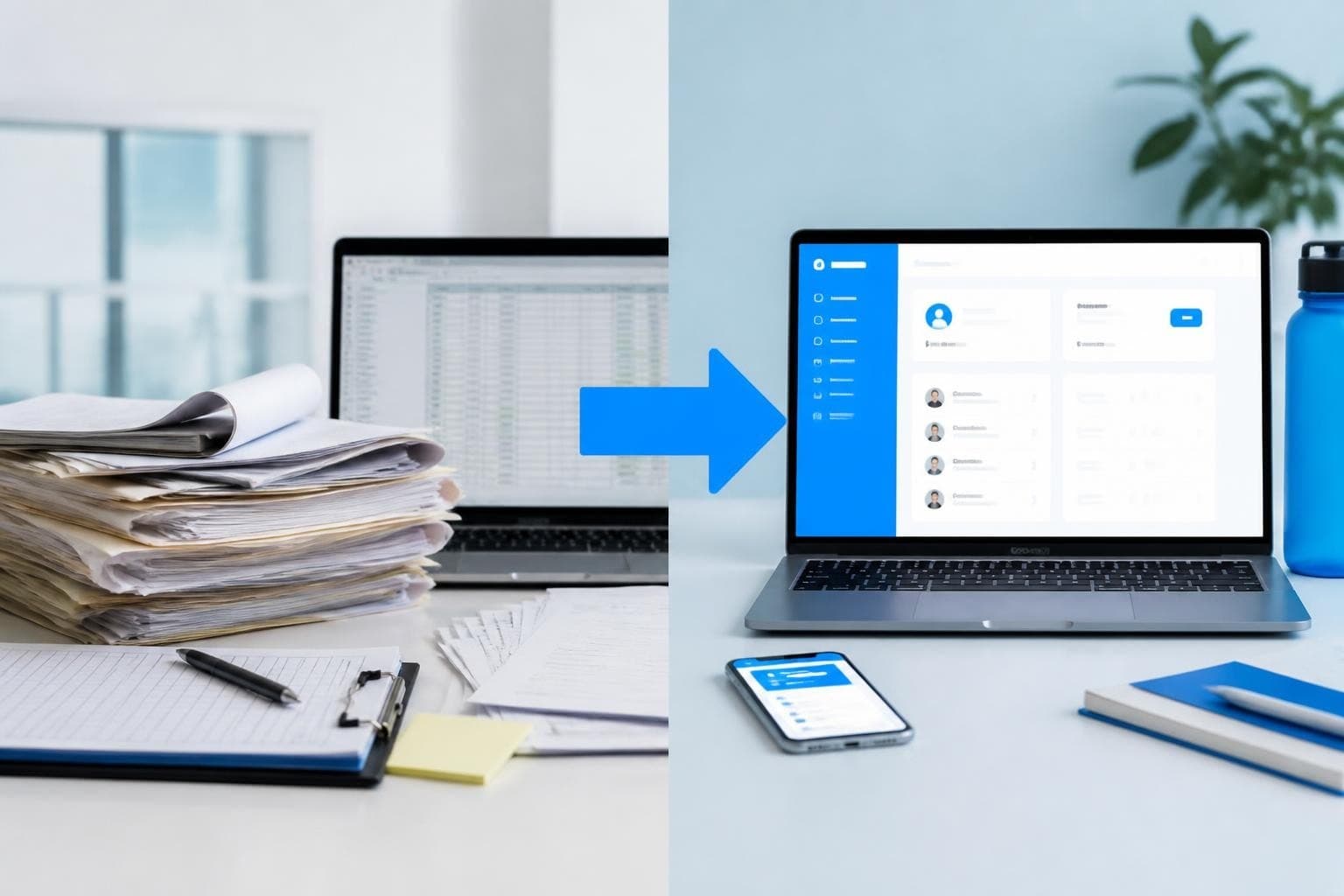
Switching Club Platforms Shouldn't Become a Second Job
The fear of migration keeps many clubs stuck on platforms they have already outgrown. A modern, well-supported transition should remove work from your team, not create more of it.
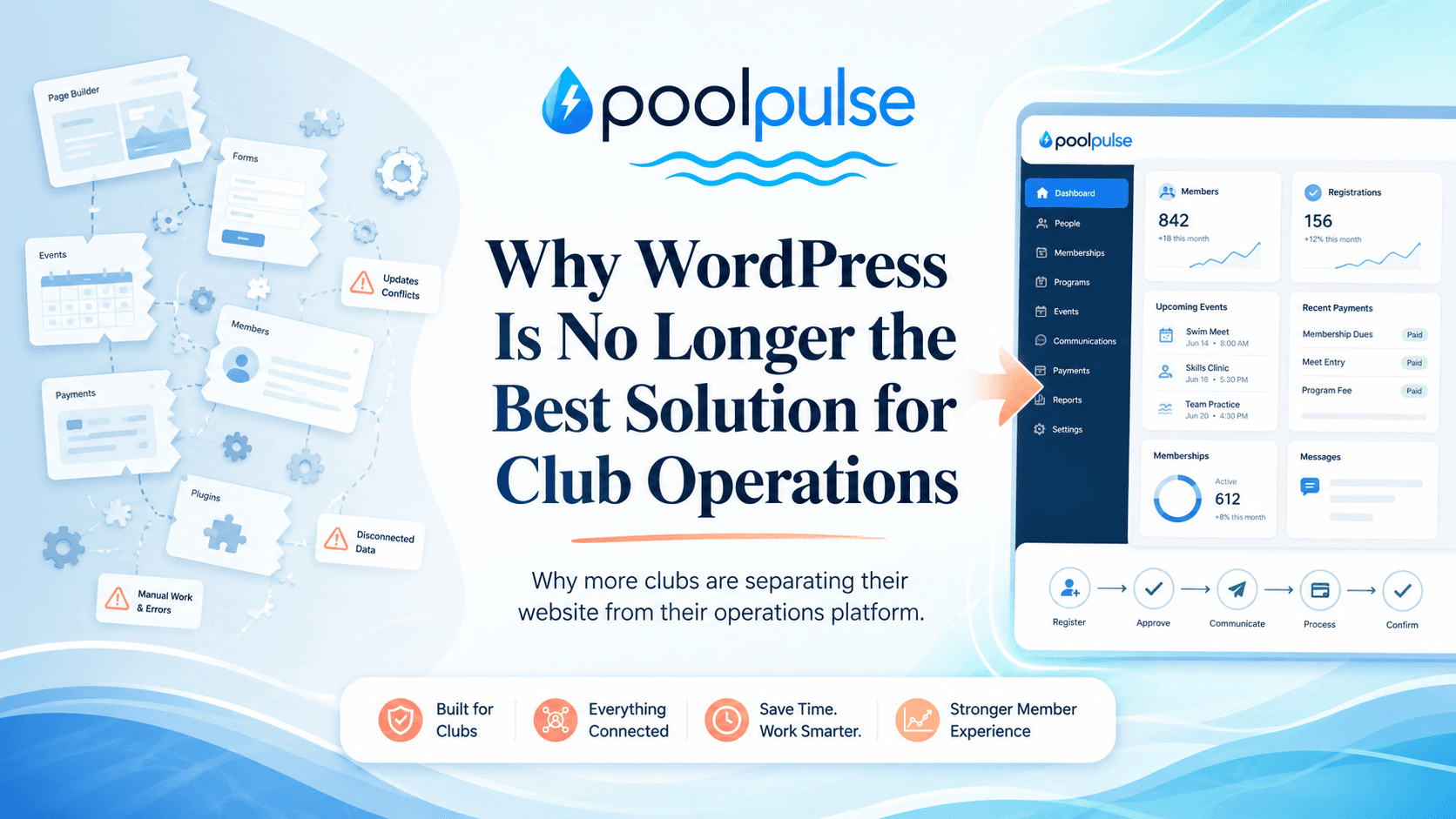
Why WordPress Is No Longer the Best Solution for Running Your Club Operations
A practical look at why growing clubs should keep WordPress focused on marketing and move memberships, billing, waivers, check-ins and reporting into a purpose-built platform.

The Demo Looked Great. What Would Prove This Platform Works for Your Club?
Go beyond a polished software demo. Bring one everyday club task, let staff try it, and check what happens from the member's request to the final follow-up.
Want to see if PoolPulse is a good fit for your club?
Book a walkthrough and we'll show you exactly how PoolPulse can help based on your club's needs, goals, and current processes.